Underwater Intelligence

Know what is happening underwater.

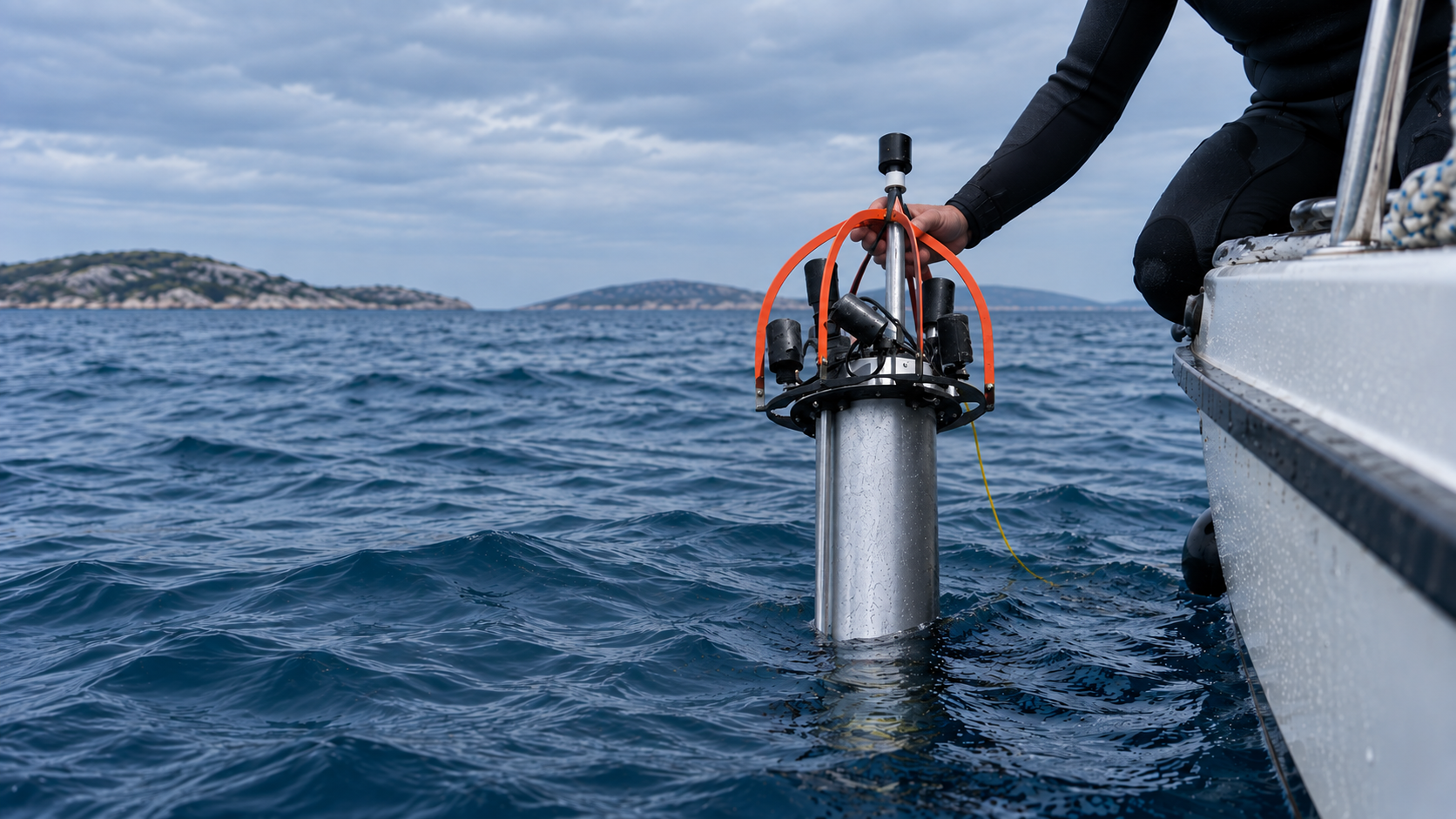
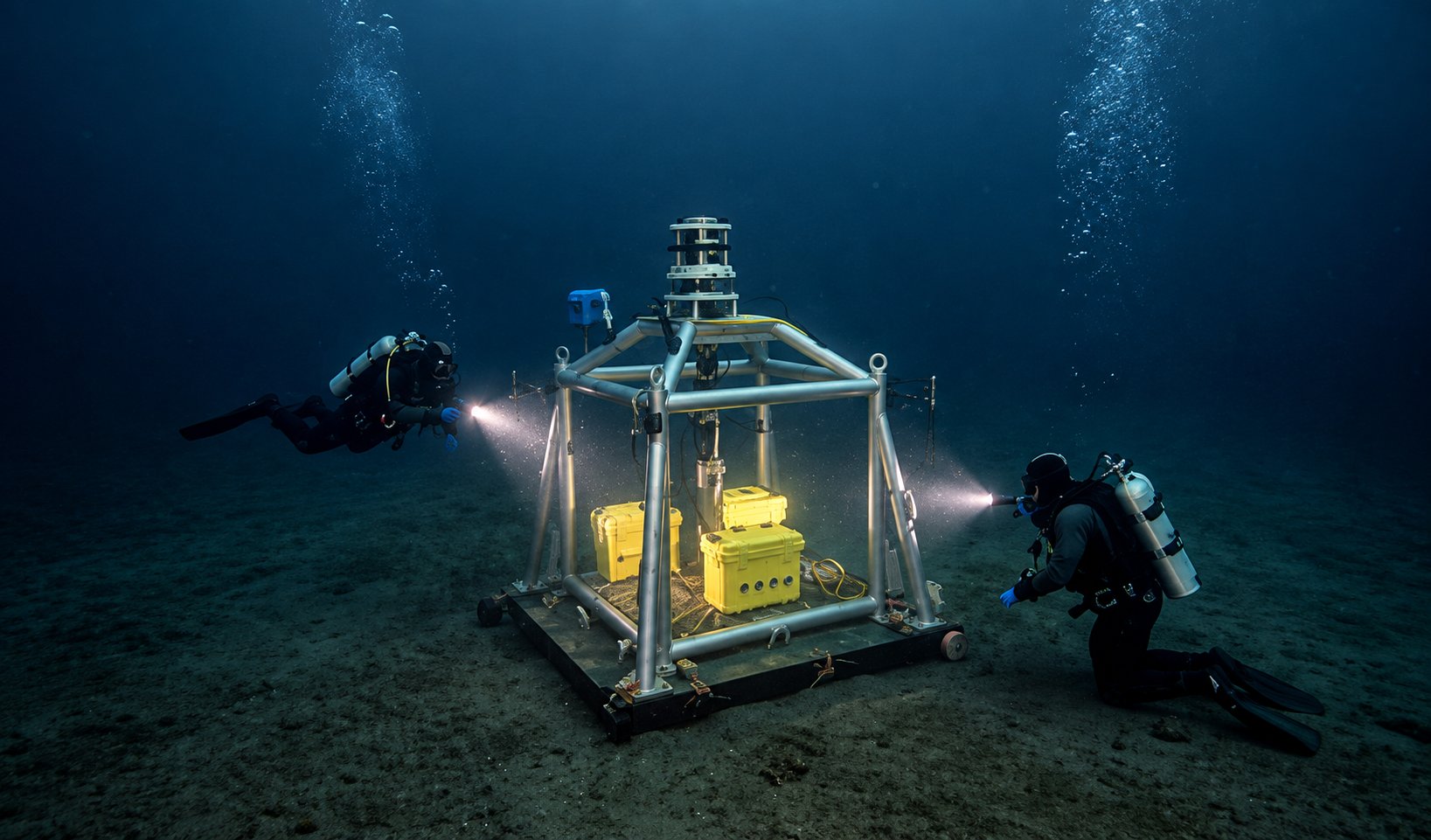
Surface buoys, acoustic floaters and seabed nodes that cover the full water column, deployed alone or as one network.

Get in touch See the solutions
Capabilities

What our sensing lets you do.

These systems operate where visibility is limited and access is expensive.

  1. 01Detect vessels, divers, fish schools and acoustic events
  2. 02Monitor underwater activity, waves, currents, weather and seawater quality
  3. 03Build scalable underwater and coastal sensing infrastructure
  4. 04Reduce diver intervention and minimise maintenance downtime
  5. 05Integrate sensors, communications and edge computing into deployable maritime systems
  6. 06Transform raw data into real-time alerts, insights and decisions

Our solutions.

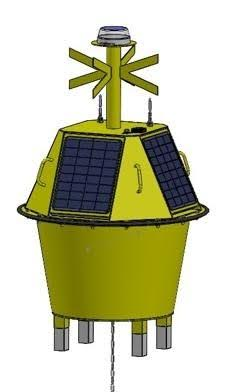
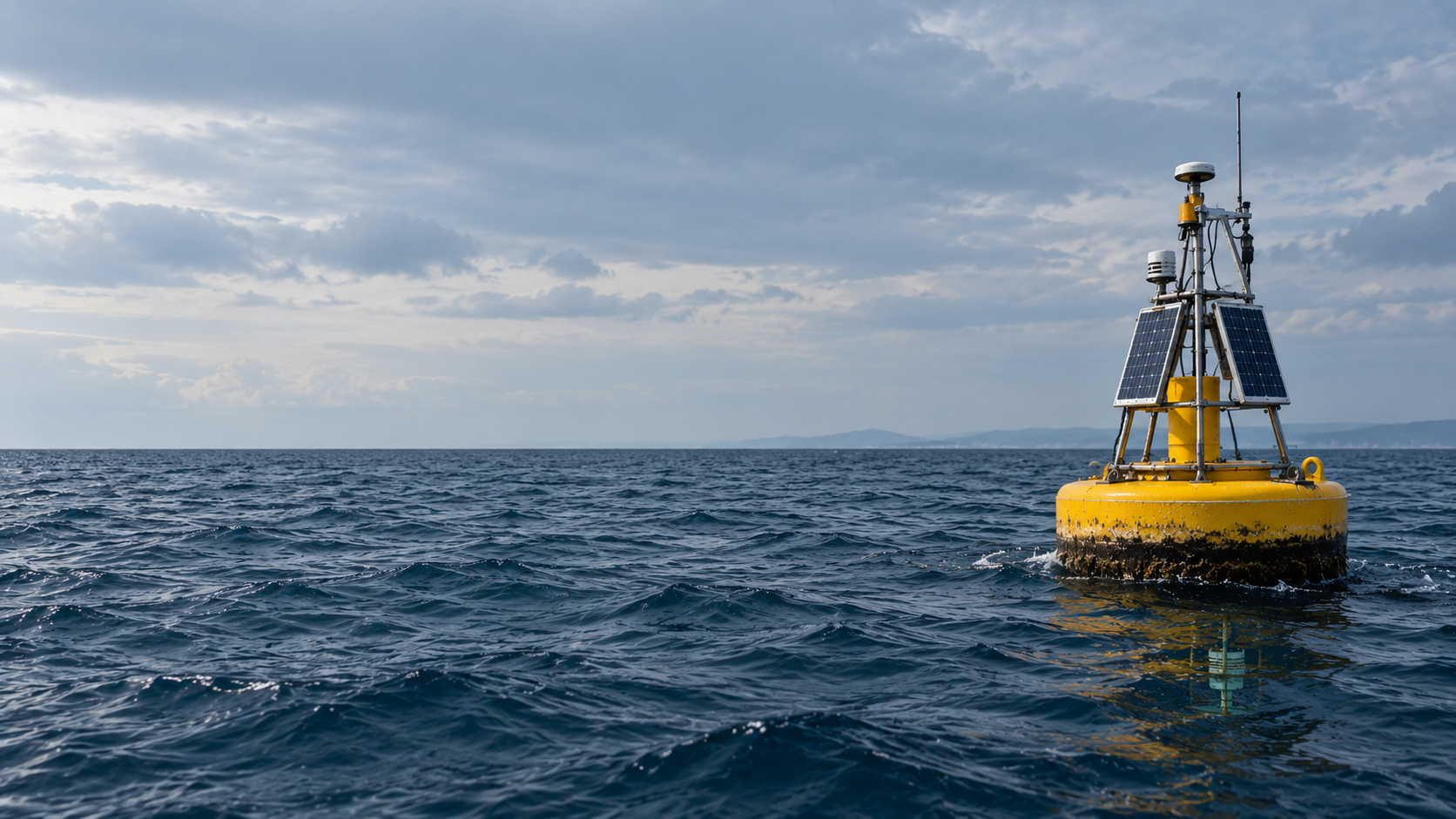
A yellow MARBLE smart buoy moored in open Adriatic water, solar panels and sensor mast above the float

DepthAt the surface, 0 m

MARBLE provides standard and custom buoy systems equipped with telemetry, data logging, solar power, marine lighting, sensor ports and expandable payload capability.

The base sensor bundle includes water temperature, pH, conductivity, dissolved oxygen and ORP, with optional extensions for water depth, surface current velocity, wave measurement, ADCP current profiling, wind speed, wind direction and air temperature, and other.

Capabilities
  • Customised buoy system configurations
  • End-to-end sensor integration
  • Standardised buoy platforms ready for deployment
  • Reliable telemetry and data logging
  • Deployment support
  • Long-term field validation and optimisation
Use cases
  • Smart marina monitoring
  • Aquaculture monitoring and optimisation
  • Offshore infrastructure sensing
  • Environmental compliance and research
  • Coastal data collection
  • Test and validation platforms
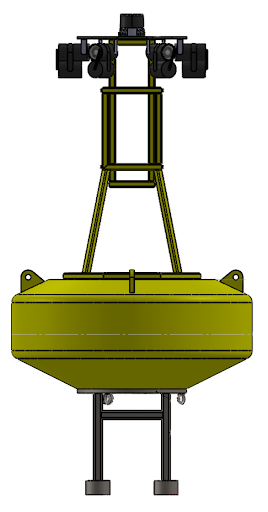
Platform comparisonThree platform sizes · open
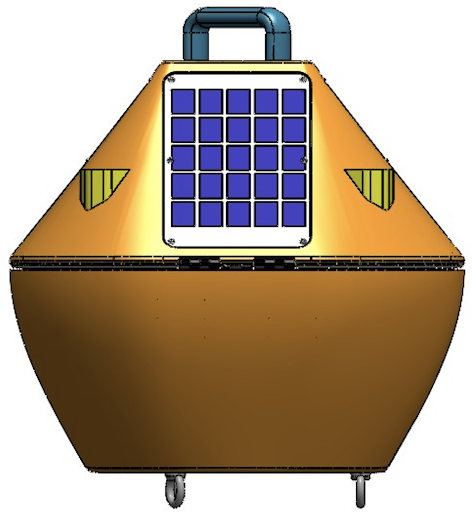
Three platform sizes. Sensor extensions available at additional cost.
STH buoy SBT buoy MAR buoy
SpecificationSTH buoySBT buoyMAR buoy
MaterialFibreglass / PU foamAluminiumHDPE welded
Total load capacity15 kg50 kg300 kg
Net load capacity5 kg20 kg50 kg
Water depthYesYesYes
Surface current velocityYesYesYes
Wave measurement—YesYes
ADCP current speed and direction—YesYes
Wind speed, direction, air temperature—YesYes
Industries

Industries we work in.

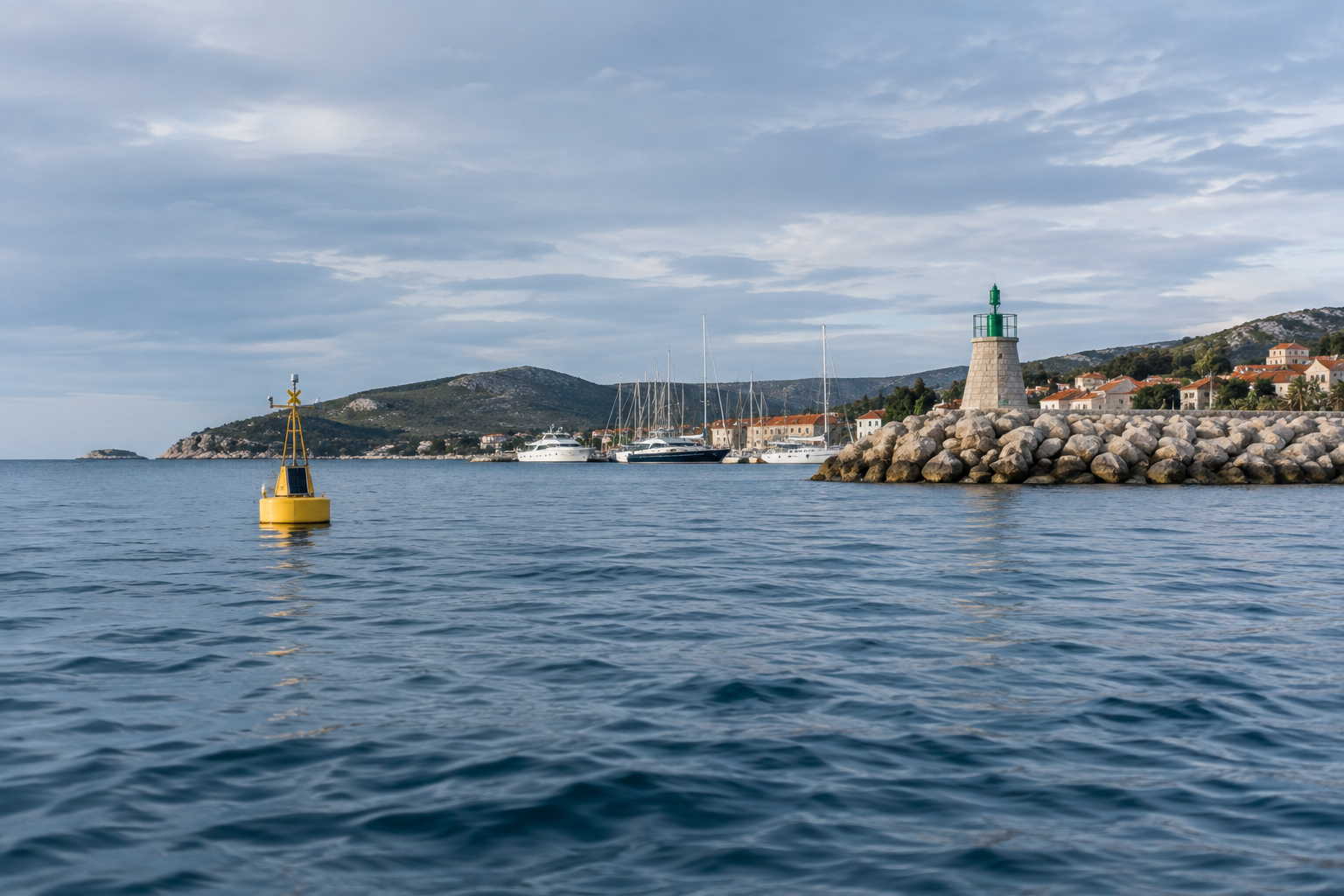
A harbour entrance seen from the water, a yellow monitoring buoy in the foreground and a stone breakwater with a navigation light beyond it

Critical infrastructure and security

Persistent awareness for ports, marinas, underwater assets and sensitive coastal zones.

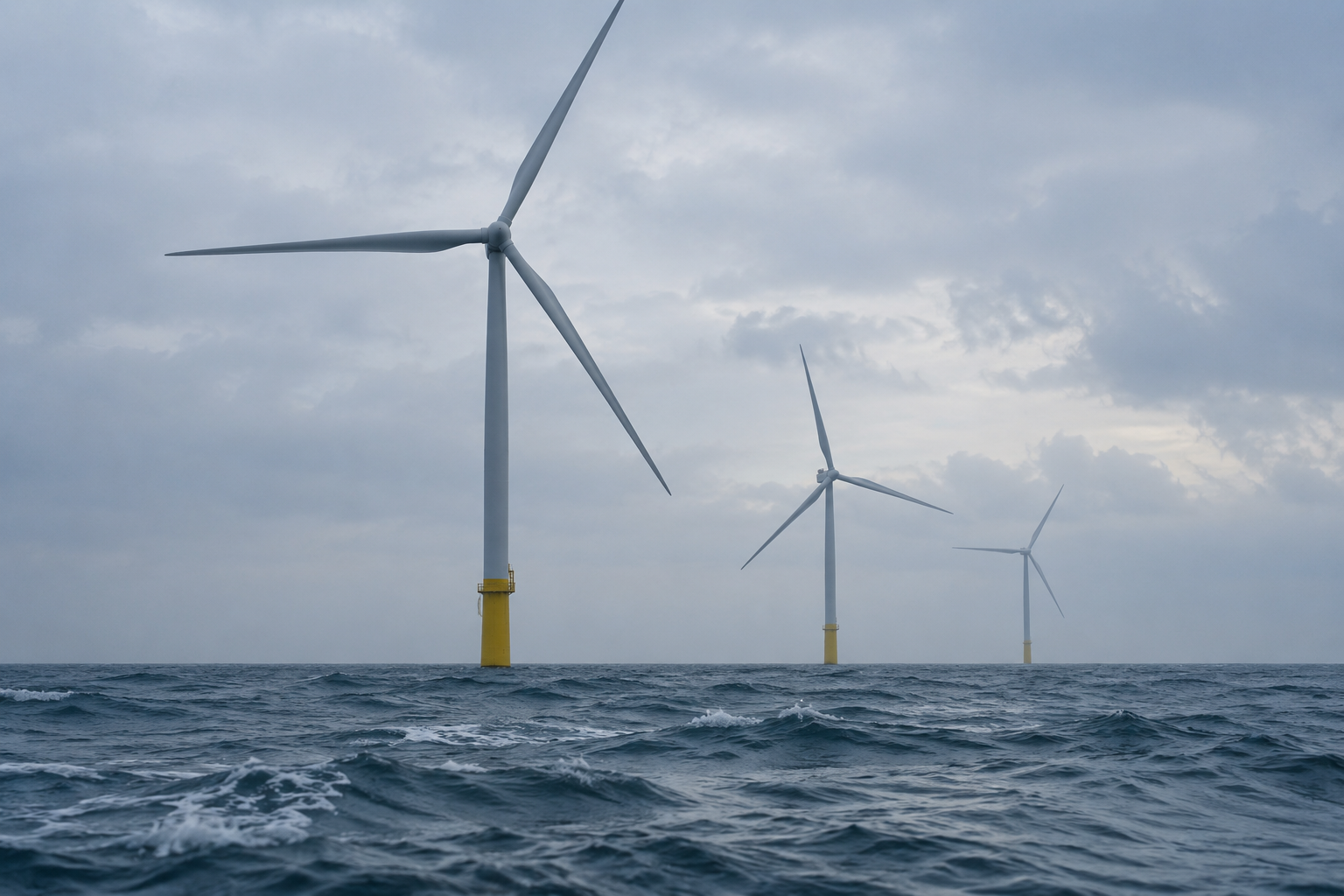
Three offshore wind turbines rising from choppy grey water, seen at sea level under an overcast sky

Offshore energy

Inspection and monitoring infrastructure for offshore platforms, cables, pipelines, wind farms and floating systems.

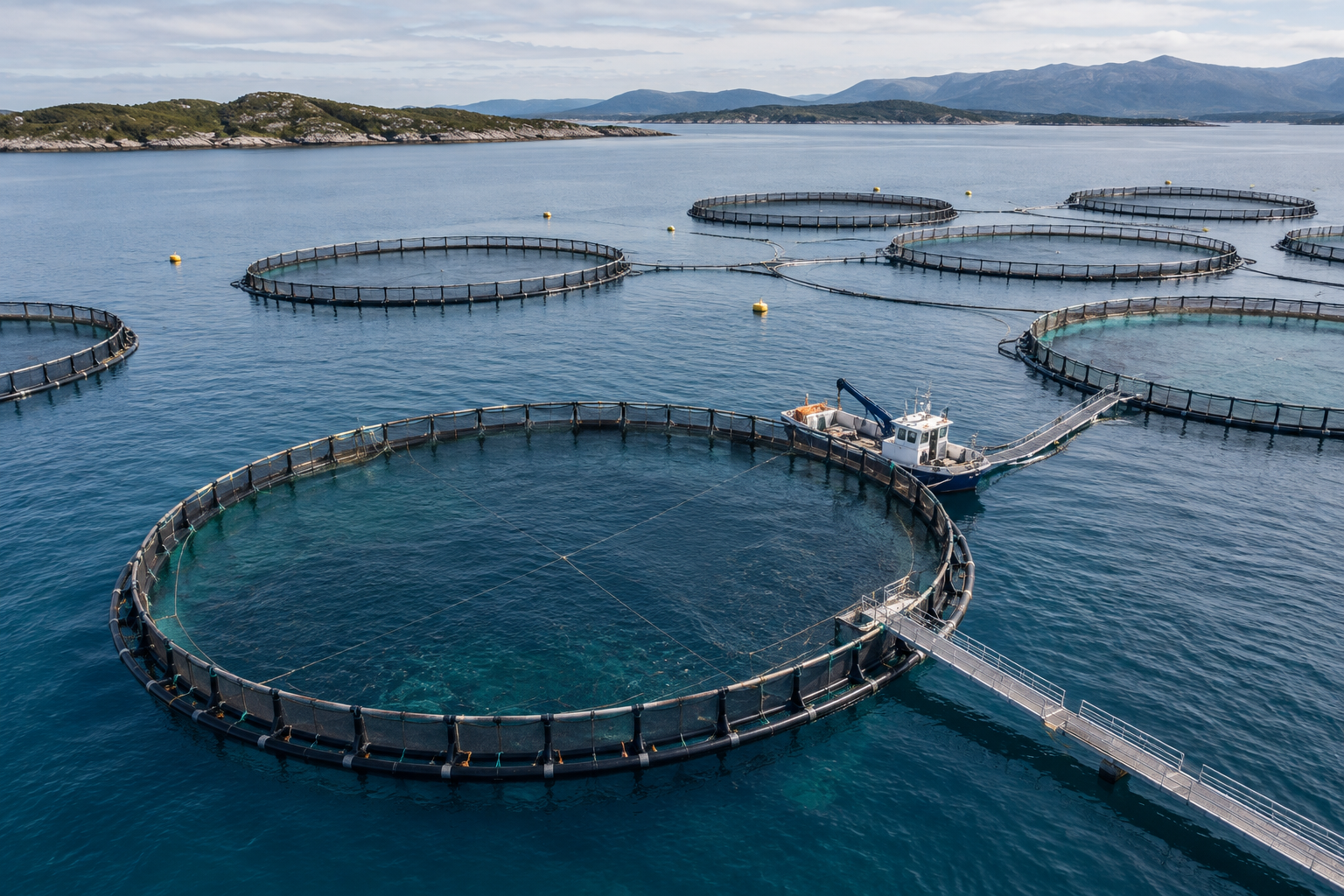
Aerial view of circular net pens at a marine farm, a work boat moored alongside one ring and a walkway running between them

Aquaculture

Water quality, biomass, environmental and operational intelligence for marine farms.

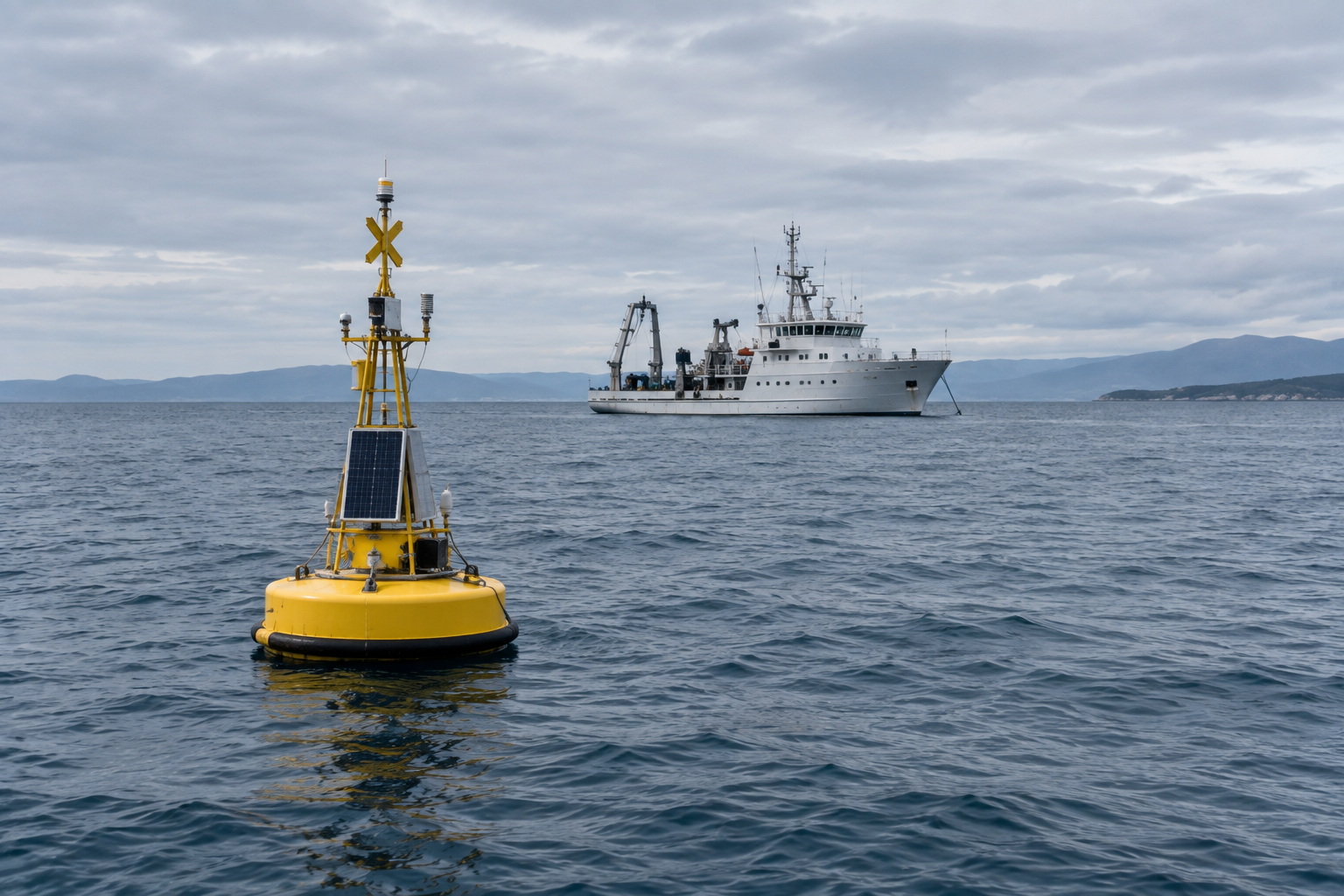
A yellow instrumented monitoring buoy in open water with a white research vessel at anchor beyond it

Environmental monitoring and regulatory compliance

Distributed sensing for marine protected areas, biodiversity, soundscape monitoring and pollution detection.

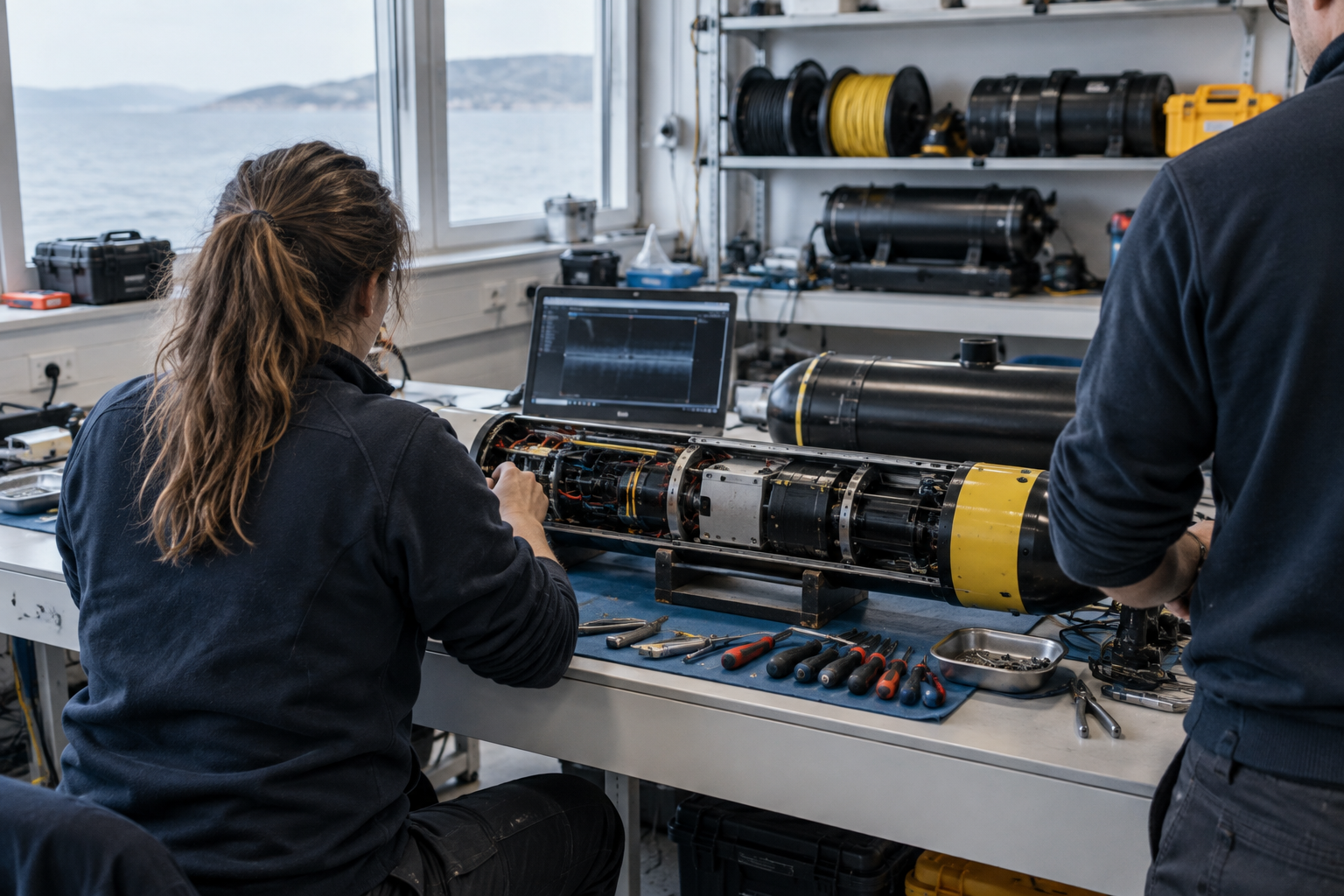
Two engineers working on an opened AUV pressure housing at a marine laboratory bench, tools laid out and spare housings on the shelf behind

Research infrastructure

Scalable systems for test sites, marine laboratories and ocean observatories.

How to work with us

4 ways to work with us.

The same MARBLE team works with you on every route.

Route 01

We build it for you.

Applied R&D

We design and build sensing around what you need to measure, test it in real water and hand over a working system your team can run.

Best if: you know what needs measuring and need a team to build the sensing.

How it starts: a scoping call and a project plan.

Route 02

We put our sensing into your product or operation.

Integration and deployment

We integrate MARBLE sensing into your product, or deploy it on your assets, run it and deliver the data.

Best if: you need a sensing capability inside your product, or continuous data from your site.

How it starts: a call on your product or site and what you need to measure.

Route 03

We join your project as technical partner.

Funded projects

You bring the idea, and we join the application as technical partner and deliver the sensing work once it is funded.

Best if: you want research or innovation funding to cover the development.

How it starts: a call on your idea and the funding programmes that fit it.

Route 04

You bring your system to our sites.

Real-sea testing

Test your sensor or node in real water at our 3 Adriatic sites, with our team on site.

Best if: your sensor or node is built and needs proving before customer delivery.

How it starts: tell us the trial and the dates, and we send availability.

Unsure which route fits?

Start with advisory.

Our engineers review your plan before you commit budget to a build, a vendor or an investment.

Book an advisory call
FAQ

Frequently asked questions.

How big is MARBLE’s team?

Researchers develop the methods, engineers build the systems, operators deploy and run them in the field. 30 people across four departments: Leadership, Research, Engineering and Operations. Senior PhD engineers and researchers, alongside research infrastructure technicians and operations staff. The program plans more than 50 experts as it scales. See the team.

Is there technical support after handover?

Deployed systems come with documentation and a maintenance arrangement set at scoping.

Do you have a vessel and a site we can use to test?

Three Adriatic pilot sites, the support vessel PEGAZUS 560 TOP FISHER, an on-site MARBLE technician and a 24/7 remote data feed. The sites open to research collaborations from November 2026 in limited scope, and fully from March 2027. The MARBLE Sea Lab runs a five-node cabled underwater network with hydrophones, cameras and sonars. See the sites.

What can the nodes actually measure?

The buoy base bundle is water temperature, pH, conductivity, dissolved oxygen and ORP, with optional water depth, surface current velocity, wave measurement, ADCP current profiling, wind speed, wind direction and air temperature. Underwater acoustics can detect and identify vessels, fish and sea mammals. Acoustic floaters run active and passive underwater acoustics with onboard analysis. Modular nodes take plug-and-play sensor payloads over standardised power and communication interfaces.

How do we get the data?

Live and stored streams, with VPN sandbox access for remote users.

How long can a deployment run?

Anywhere from a single day to a permanent installation of a sensor or communication equipment at the MARBLE Sea Lab.

Who owns the data?

Customer owns the data by default.

Do you handle permits and site consents?

MARBLE handles permits and consents.

Do you work with defense and dual-use programs?

Dual-use work runs alongside civil programs.

Questions about MARBLE as an organization, the funding, or the partners: the FAQ page →

/ Start the conversation

Let's talk about Underwater Intelligence.

Buoys, acoustic floaters and modular underwater nodes. Give us the parameters, the water and the duration, and we will tell you what the deployment looks like.

Goes to info [at] marble.eu.

/ Or skip the form

Book a 30-minute sensing call.

Thirty minutes with an engineer who has run sensing deployments at sea. Bring the parameters, the site and the duration. You will get a straight answer on whether it fits.

Book a call

Monday to Friday, 09:00 to 17:00 CET